
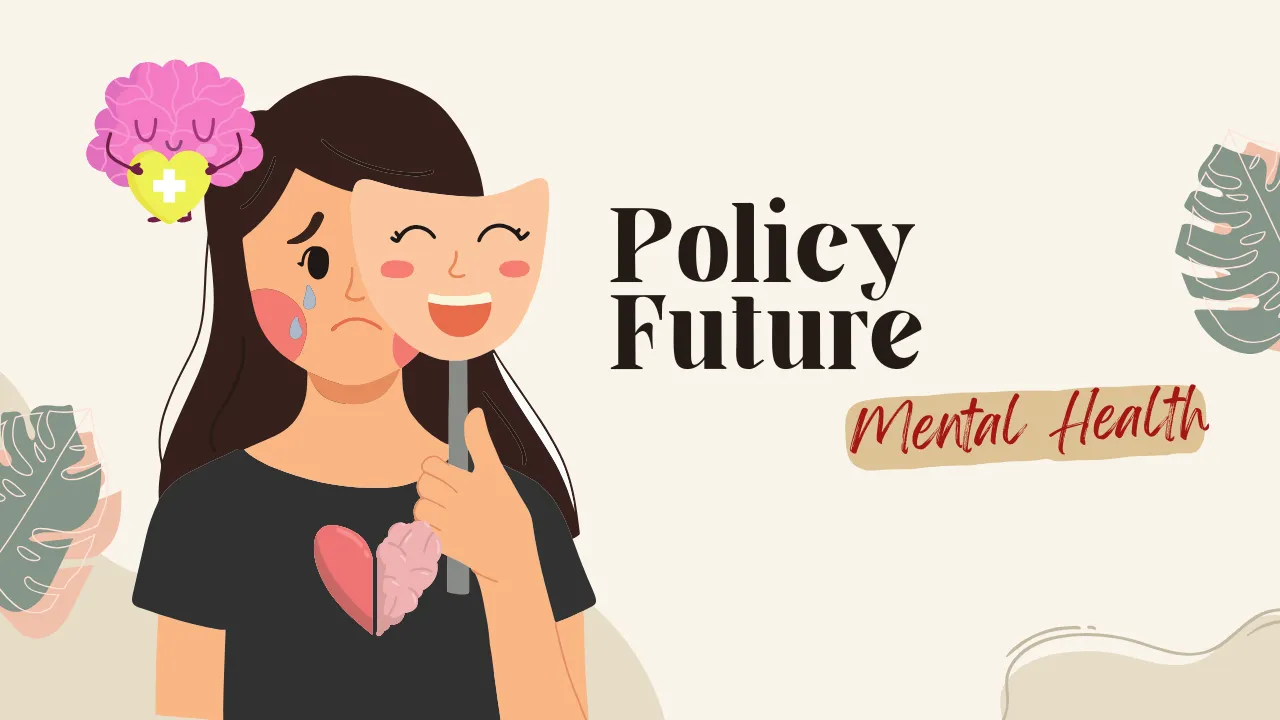
So, let’s have a real talk about something that affects almost everyone, even if we don’t always say it out loud—mental health. Whether it’s anxiety that sneaks in at 3 a.m., the heavy cloud of depression, or just the constant pressure of modern life, mental health touches families, workplaces, schools, and whole communities. And when we start talking about the future of mental health policy in America, we’re not just talking about laws or boring government documents. We’re talking about how millions of people will get help, how lives can be saved, and how the next generation will either thrive or struggle. Pretty big deal, right?
Table of Contents
Why Mental Health Policy Matters More Than Ever
Well, think about this: if your car breaks down, you know you can call a mechanic. If you break your leg, you head to the hospital. But what happens when your mind feels like it’s falling apart? For way too long, mental health has been treated like a side note—something people should “just deal with” on their own. Can you imagine how exhausting that is? It’s like trying to fix a leaky roof in a rainstorm with no tools. You know it’s urgent, but you don’t have what you need.
The truth is, mental health policy is the toolbox. It’s the roadmap that decides who gets access to therapy, whether insurance covers medication, how schools handle students in crisis, and even how workplaces support their employees. Without strong policies, people slip through the cracks. And sadly, America’s cracks have been wide for a long time.
A Look Back: How We Got Here
Before we dive into the future, let’s rewind a bit. Mental health policy in the U.S. has had a messy history. Decades ago, people with mental illnesses were often sent to institutions that were overcrowded and underfunded. Think of it like shoving all your problems into one closet and locking the door. Out of sight, out of mind—except it didn’t actually solve anything.
Then came the movement to deinstitutionalize in the 1960s and 70s. The idea was good—let people live in their communities instead of being locked away. But here’s the catch: the support systems never fully caught up. Funding for local care didn’t match the need. So, a lot of people were released without proper resources, and homelessness and incarceration rates for people with mental illness shot up.
This reminds me of when I tried to start a home garden once. I bought all these seeds and cute pots but forgot about the soil and water. Guess what happened? Yep—nothing grew. Policies are kind of the same. Good intentions mean nothing without the groundwork to make them work.
The Pandemic Wake-Up Call
Fast forward to recent years, and the COVID-19 pandemic basically lit a giant neon sign over the problem. Isolation, job loss, fear, uncertainty—it was like a perfect storm for anxiety and depression. Suddenly, people who had never struggled before were saying, “I can’t handle this.” Schools saw kids battling panic attacks. Workplaces noticed burnout spreading like wildfire. And honestly, it forced America to admit something we’d been avoiding: mental health is just as important as physical health.
I remember during lockdown, I had days when even getting out of bed felt like a marathon. A friend of mine started having panic attacks for the first time. We’d talk late into the night, trying to remind each other that it was okay to feel overwhelmed. Have you ever felt that way—like your brain is running a race you never signed up for? That’s what millions were experiencing.
What Needs to Change
So, where do we go from here? Let’s cut to the chase. The future of mental health policy in America needs to focus on a few key things.
Better Access to Care
First, we need to make mental health services as easy to get as a regular doctor’s appointment. Right now, too many people can’t afford therapy or don’t have providers nearby. Imagine needing a lifeline but finding out it’s a hundred miles away or costs more than your rent. That’s not okay. Policies that expand telehealth, require insurance to cover therapy, and invest in local clinics can change lives.
Prevention, Not Just Crisis Response
Next, we’ve got to stop waiting for people to hit rock bottom before helping them. It’s like waiting for your car engine to explode before getting an oil change. Schools should have counselors trained to spot early signs of trouble. Workplaces should offer stress management programs before burnout hits. Community programs can teach coping skills so people are better prepared when life gets tough.
Breaking the Stigma
Policies alone can’t fix everything if shame keeps people from seeking help. We need campaigns, education, and leaders who openly talk about mental health. Think of it like turning on a light in a dark room—once people see others speaking up, it’s easier to step forward.
Supporting Special Groups
Not everyone experiences mental health challenges the same way. Veterans face PTSD. Teenagers battle social media pressure. Marginalized communities often face cultural barriers to care. Policies must be flexible and inclusive so nobody feels left out.
Training and Funding for Professionals
Let’s be real—therapy isn’t much help if there aren’t enough therapists. America needs more mental health professionals, especially in rural areas. That means funding scholarships, creating incentives for people to enter the field, and making sure they’re paid fairly so they don’t burn out themselves.
Real-Life Examples of Progress
The good news? Some states and programs are already leading the way. For example, the launch of the 988 Suicide & Crisis Lifeline made it easier to get immediate help. Some companies now offer free counseling sessions to employees. Schools are adding mindfulness programs. These might seem like small steps, but they’re the kind of changes that ripple out. It’s like planting a few seeds today and watching a forest grow tomorrow.
I once volunteered for a local crisis hotline, and I’ll never forget a call from a young man who said he felt like giving up. After talking for an hour, he said, “You made me feel like I’m not invisible.” That stuck with me. Sometimes policy changes aren’t just numbers on paper—they’re the reason someone chooses to stay alive.
How Technology Fits Into the Future
Here’s something exciting: technology is changing the game. Teletherapy, mental health apps, and AI tools are making support more accessible than ever. Have you tried a meditation app or an online counseling session? It’s like having a therapist in your pocket. But of course, this also means we need policies to protect privacy and make sure tech doesn’t replace human connection.
What You Can Do Right Now
Okay, so maybe you’re thinking, “This is all great, but what can I do?” Here’s what matters.
First, take care of your own mental health. Talk to someone if you’re struggling. Don’t wait for a policy to save you.
Next, support organizations and politicians who prioritize mental health funding. Your vote and your voice matter more than you think.
Finally, be the person who listens without judgment. Sometimes the biggest change starts with a single conversation.
A Future Worth Fighting For
Can you imagine an America where therapy is as normal as getting a checkup, where schools teach kids how to manage emotions, where nobody has to suffer in silence? That’s not some far-off dream. It’s possible if we keep pushing for smart policies, open conversations, and compassion.
It won’t be easy. It’s like trying to untangle a giant ball of yarn—it takes patience and teamwork. But every step counts. And the next time you hear someone say, “Mental health isn’t that important,” you’ll know better. Because the future of mental health policy in America isn’t just about laws—it’s about people like you and me living better, fuller lives.
FAQs
What is mental health policy?
It’s the set of laws and regulations that decide how mental health services are funded, provided, and accessed across the country.
Why is mental health policy important?
Because without it, people can’t get the help they need. It ensures therapy, medication, and support systems are available and affordable.
How can I support better mental health policy?
You can vote for candidates who prioritize mental health funding, support local organizations, and speak out in your community.
Will teletherapy stay after the pandemic?
Most likely yes! Teletherapy has proven to be effective and convenient, and many policies are being updated to keep it available.
What’s the biggest challenge for future mental health policy?
The biggest hurdles are funding, breaking stigma, and making sure rural and underserved communities get equal access to care.